
Choosing the Perfect Engineered Stone for Your Home

When it comes to home design, the materials you choose can significantly impact both aesthetics and functionality. One material that has gained immense popularity in recent years is engineered stone. Known for its durability and versatility, engineered stone can be an excellent choice for various applications in your home, from countertops to flooring. But how do you choose the perfect engineered stone for your needs? This guide will walk you through the essential factors to consider, helping you make an informed decision.

Understanding Engineered Stone
Engineered stone is a man-made product composed of natural stone aggregates, resins, and pigments. Unlike natural stone, which is quarried directly from the earth, engineered stone is manufactured under controlled conditions, allowing for a consistent appearance and enhanced durability.
Benefits of Engineered Stone
Durability: Engineered stone is highly resistant to scratches, stains, and heat, making it an ideal choice for high-traffic areas and surfaces that endure daily wear and tear.
Variety of Designs: With a wide range of colors, patterns, and finishes available, engineered stone can mimic the look of natural stone while offering more design flexibility.
Low Maintenance: Unlike natural stone, which may require sealing and special cleaning products, engineered stone is easy to clean and maintain.
Sustainability: Many manufacturers use recycled materials in their engineered stone products, making them a more environmentally friendly option.
Key Factors to Consider When Choosing Engineered Stone
1. Purpose and Location
Before selecting engineered stone, consider where it will be used. Different areas of your home may require different properties. For example:
Kitchen Countertops: Look for a material that is heat and stain-resistant.
Bathroom Vanities: Choose a stone that can withstand moisture and humidity.
Flooring: Opt for a durable option that can handle foot traffic and is easy to clean.
2. Color and Pattern
The color and pattern of engineered stone can dramatically affect the overall look of your space. Here are some tips for selecting the right design:
Match Your Decor: Consider the existing color palette and style of your home. Neutral colors can create a timeless look, while bold patterns can serve as a statement piece.
Sample Testing: Always request samples before making a final decision. This allows you to see how the stone looks in different lighting conditions and alongside your other design elements.
3. Thickness and Finish
Engineered stone comes in various thicknesses and finishes. Thicker stones tend to be more durable, while different finishes (such as polished, honed, or textured) can affect both appearance and maintenance.
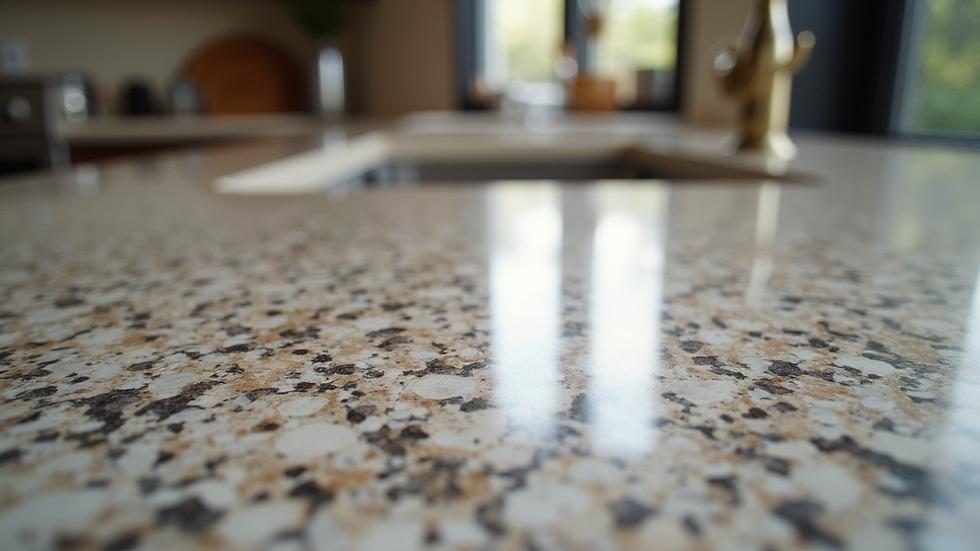
Polished Finish: Offers a shiny, reflective surface that enhances color depth but may require more upkeep to maintain its appearance.
Honed Finish: Provides a matte look that is less slippery and easier to maintain, making it suitable for flooring.
4. Budget
Engineered stone can vary significantly in price. It's essential to set a budget before you start shopping. Keep in mind that while some options may be more expensive upfront, their durability and low maintenance can save you money in the long run.
5. Manufacturer Reputation
Research the manufacturers of engineered stone products. Look for companies with a solid reputation for quality and customer service. Reading reviews and asking for recommendations can help you find a reliable source.
Installation Considerations
Once you've chosen the perfect engineered stone, the next step is installation. Here are some tips to ensure a smooth process:
Hire Professionals: While some may consider DIY installation, hiring professionals ensures that the stone is installed correctly and safely.
Plan for Seams: Depending on the size of your project, seams may be necessary. Discuss seam placement with your installer to minimize their visibility.
Allow for Curing Time: After installation, allow the stone to cure properly before using the surface. This ensures that adhesives and sealants set correctly.
Maintenance Tips for Engineered Stone
To keep your engineered stone looking its best, follow these maintenance tips:
Regular Cleaning: Use a mild soap and water solution for daily cleaning. Avoid harsh chemicals that can damage the surface.
Avoid Heavy Impact: While engineered stone is durable, it can chip or crack under heavy impact. Use cutting boards and avoid dropping heavy objects on the surface.
Seal When Necessary: Although many engineered stones do not require sealing, check with your manufacturer for specific maintenance recommendations.
Conclusion
Choosing the perfect engineered stone for your home involves careful consideration of various factors, including purpose, design, and budget. By understanding the benefits and characteristics of engineered stone, you can make an informed decision that enhances your living space. Remember to consult with professionals for installation and maintenance to ensure your investment lasts for years to come.
Take the time to explore the options available, and you’ll find the ideal engineered stone that not only meets your functional needs but also elevates the beauty of your home.


Comments